No. 97 Yanyang Road, Chengyang District, Qingdao, Shandong, China

Robot System Integrator · Qingdao, China · Since 2016

Robot automation for every brand and every process.

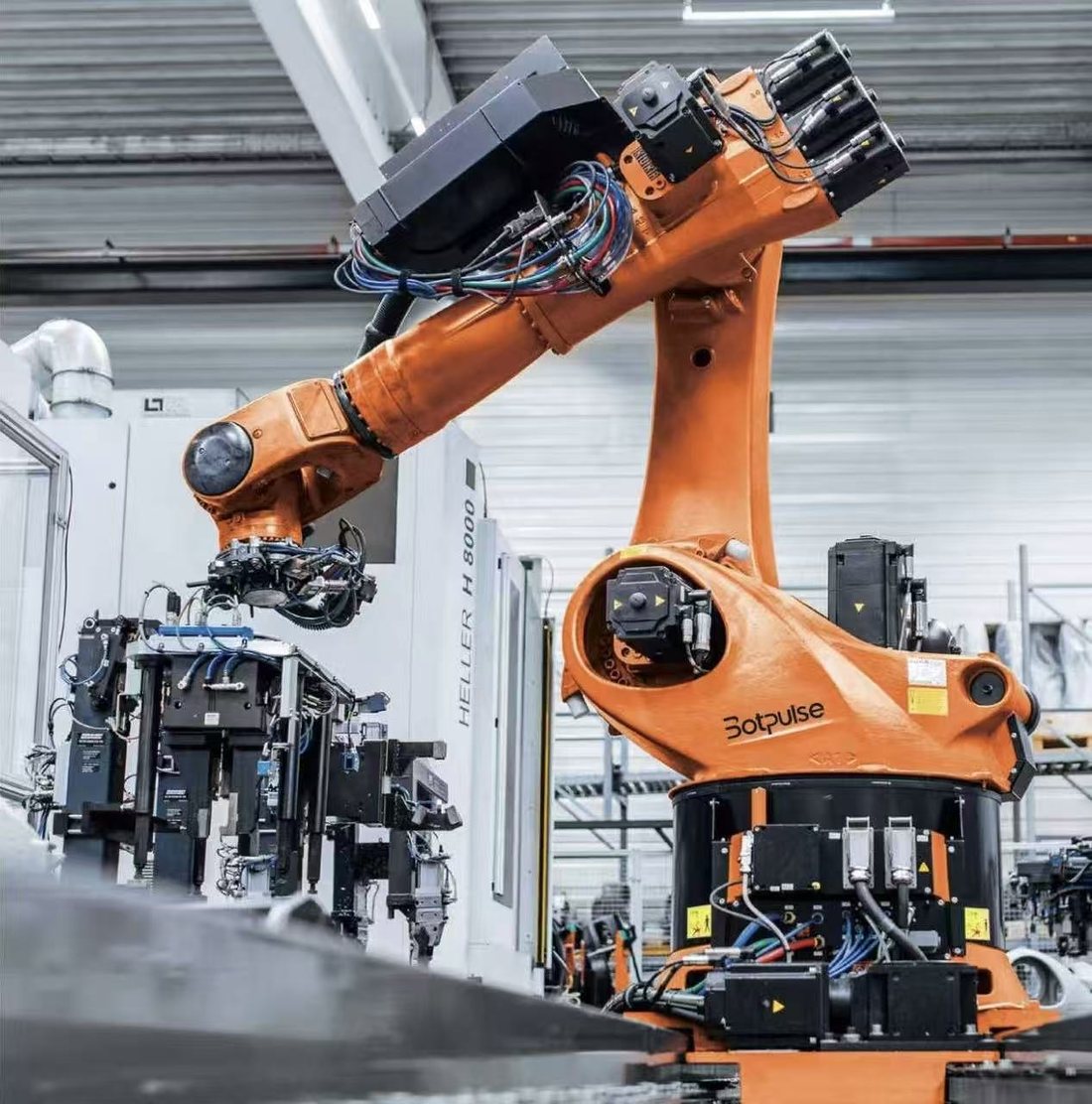
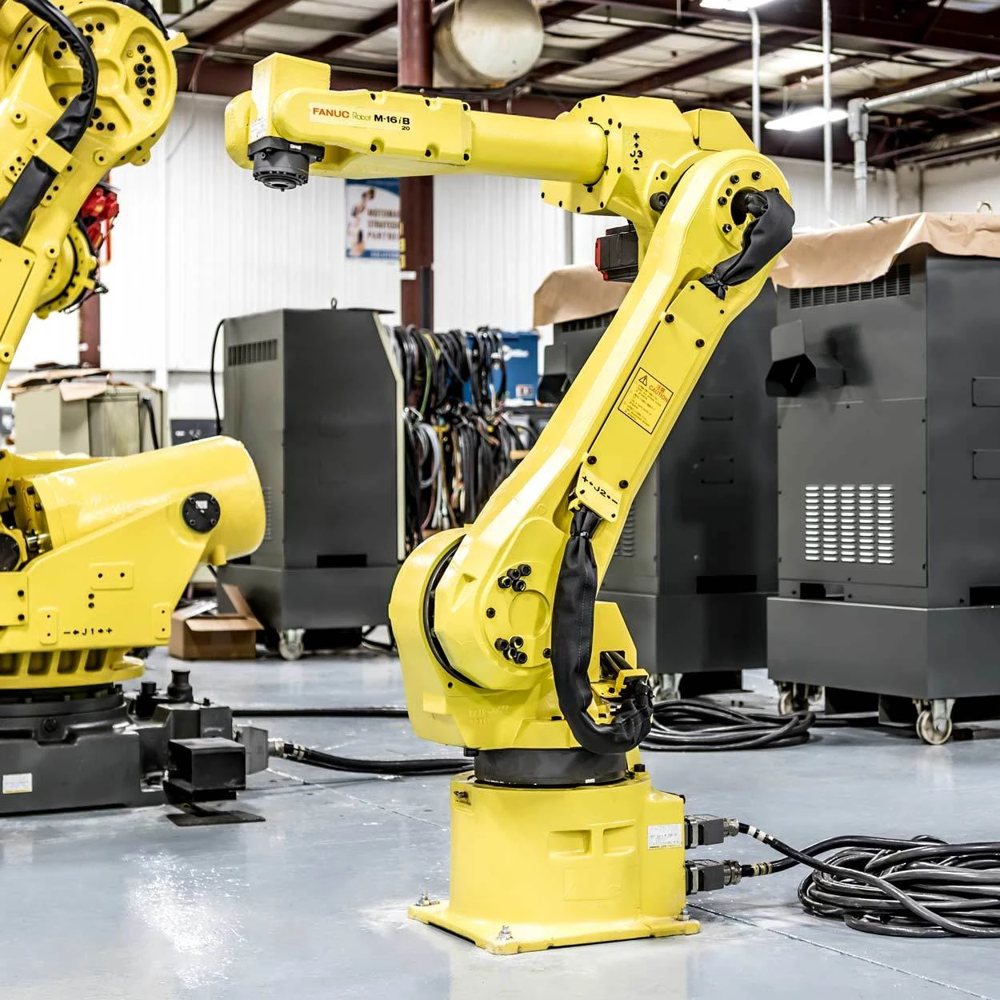
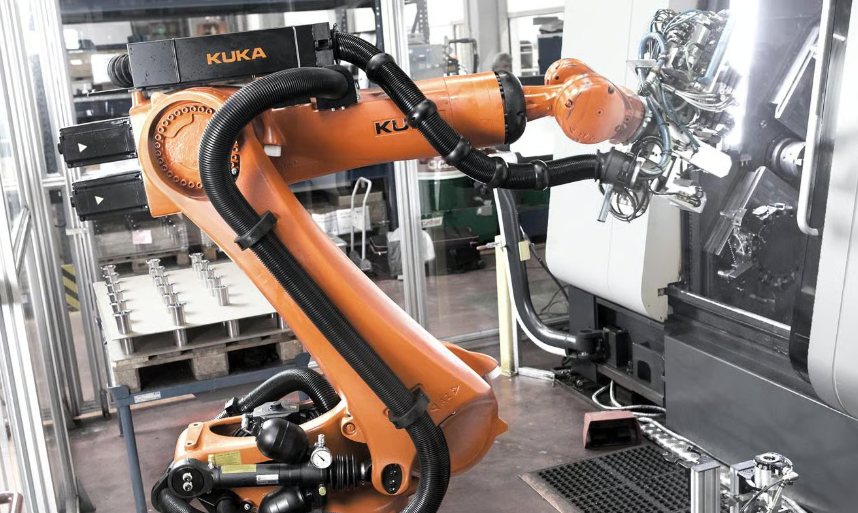
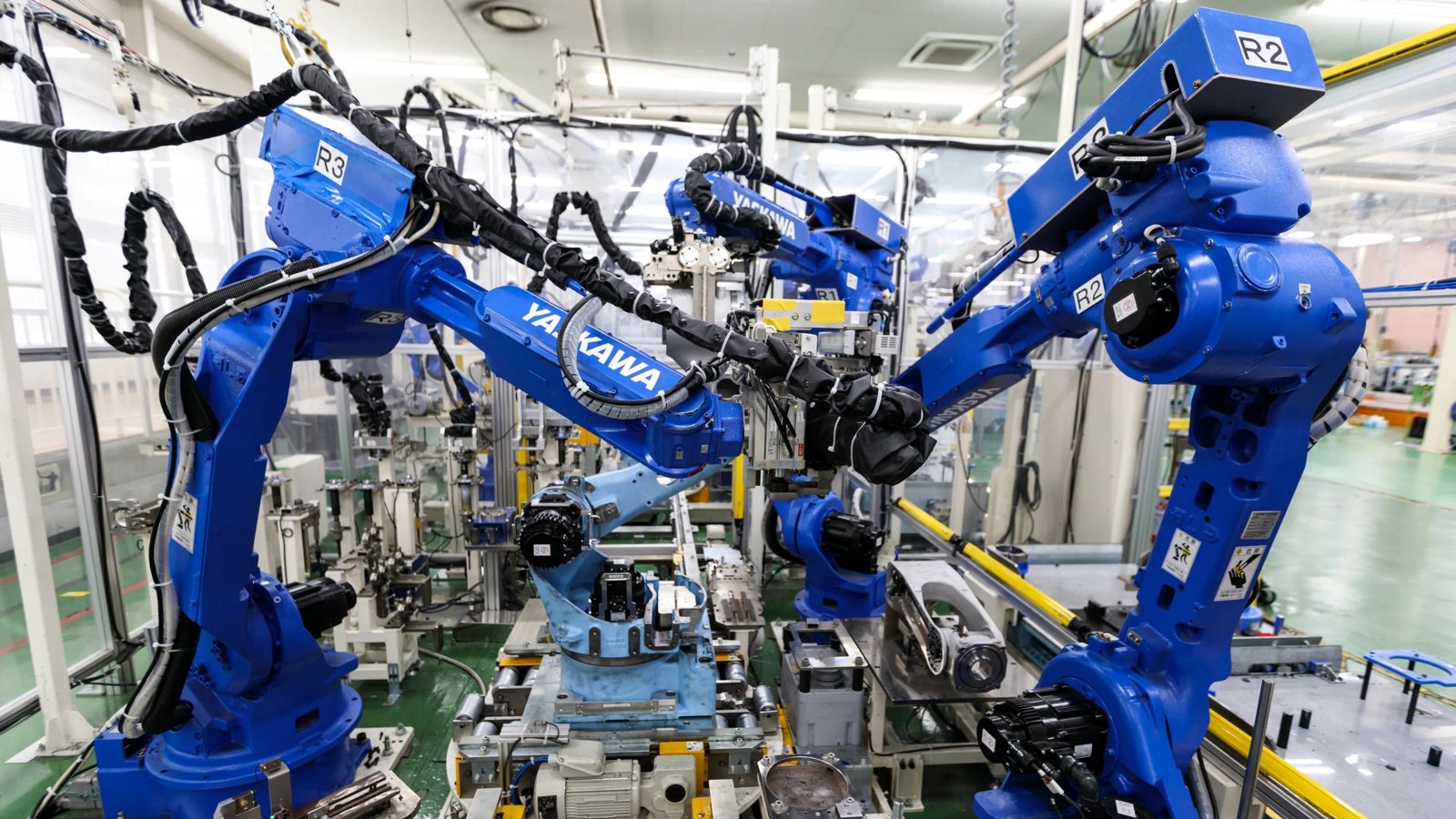
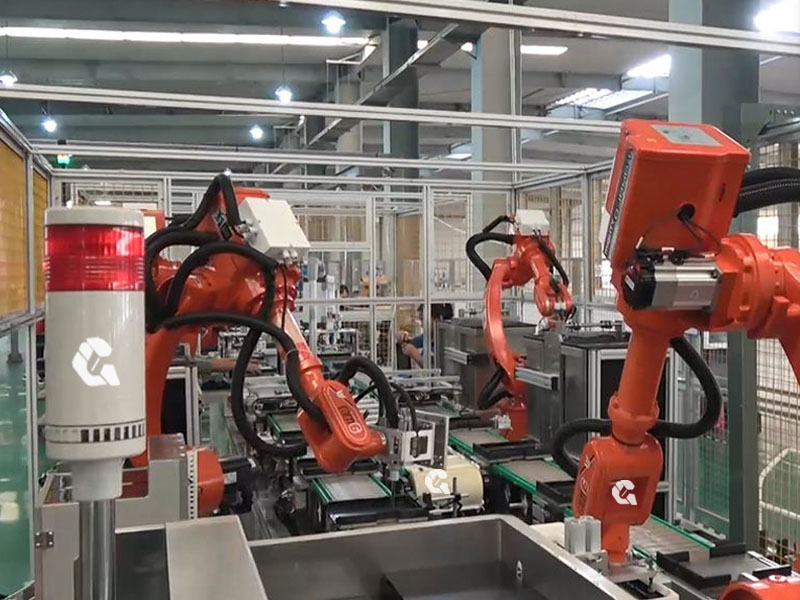
Welding, palletizing, machine tending, assembly and intelligent warehousing, engineered around ABB, FANUC, KUKA, Yaskawa, Siasun and every other major robot brand, plus our own Botpulse range. One team from concept to production.
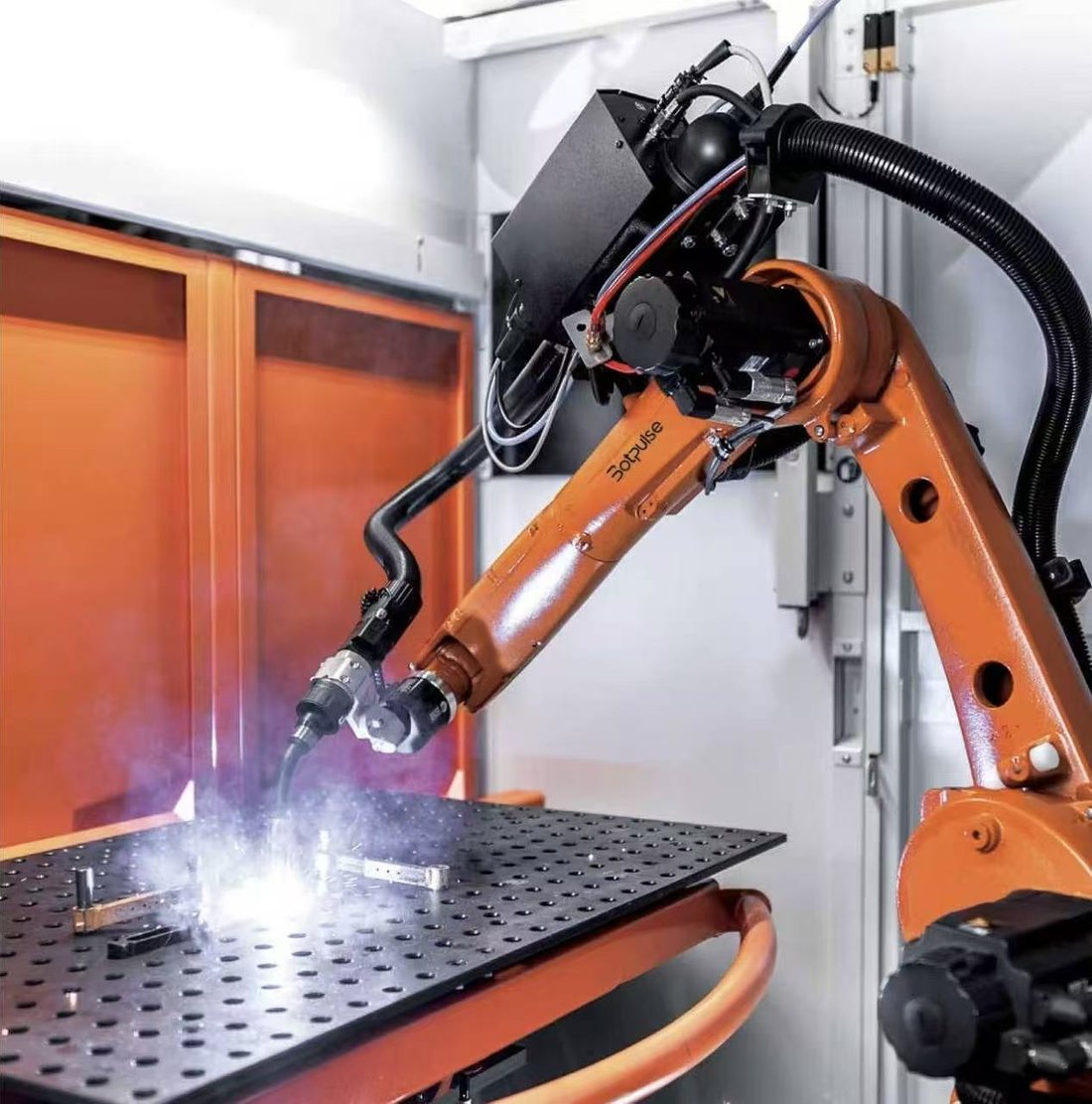

Botpulse robotic welding cell
Multi-axis collaborative robots Vision-guided 7×24 support Drag to rotate
Multi-brand integration
ABBFANUCKUKAYaskawaSiasunKawasakiand other well-known brands
ABBFANUCKUKAYASKAWASIASUNBOTPULSEKAWASAKIMITSUBISHI ELECTRICNACHIEPSONDENSOSTÄUBLICOMAUUNIVERSAL ROBOTSOMRONPANASONICOTC DAIHENDOOSAN ROBOTICSTECHMANHYUNDAI ROBOTICSESTUNEFORTINOVANCEROKAEJAKAELITE ROBOTSQIANJIANGWELDINGPALLETIZINGMACHINE TENDINGASSEMBLYLASER SYSTEMSAGV & WAREHOUSINGABBFANUCKUKAYASKAWASIASUNBOTPULSEKAWASAKIMITSUBISHI ELECTRICNACHIEPSONDENSOSTÄUBLICOMAUUNIVERSAL ROBOTSOMRONPANASONICOTC DAIHENDOOSAN ROBOTICSTECHMANHYUNDAI ROBOTICSESTUNEFORTINOVANCEROKAEJAKAELITE ROBOTSQIANJIANGWELDINGPALLETIZINGMACHINE TENDINGASSEMBLYLASER SYSTEMSAGV & WAREHOUSING
0
Established · 8 January 2016
0
Robot brands integrated
0
Solutions delivered
0
Technical support

Our product brand

Botpulse: complete robot production lines

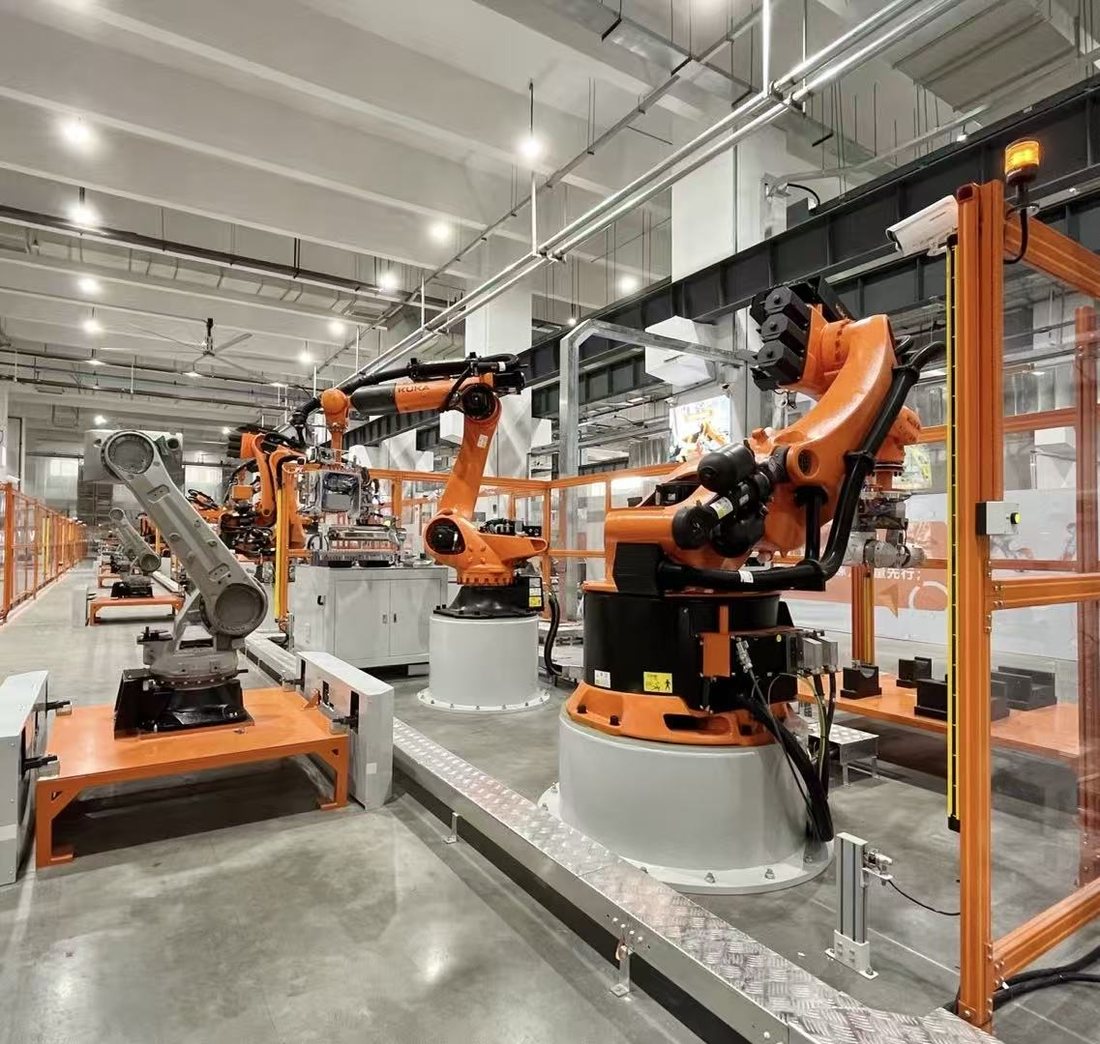
Botpulse is the product brand of Zhiyan Automation. It brings robots, tooling, controls and software together into ready-to-run lines for welding, palletizing, grinding, machining and assembly.
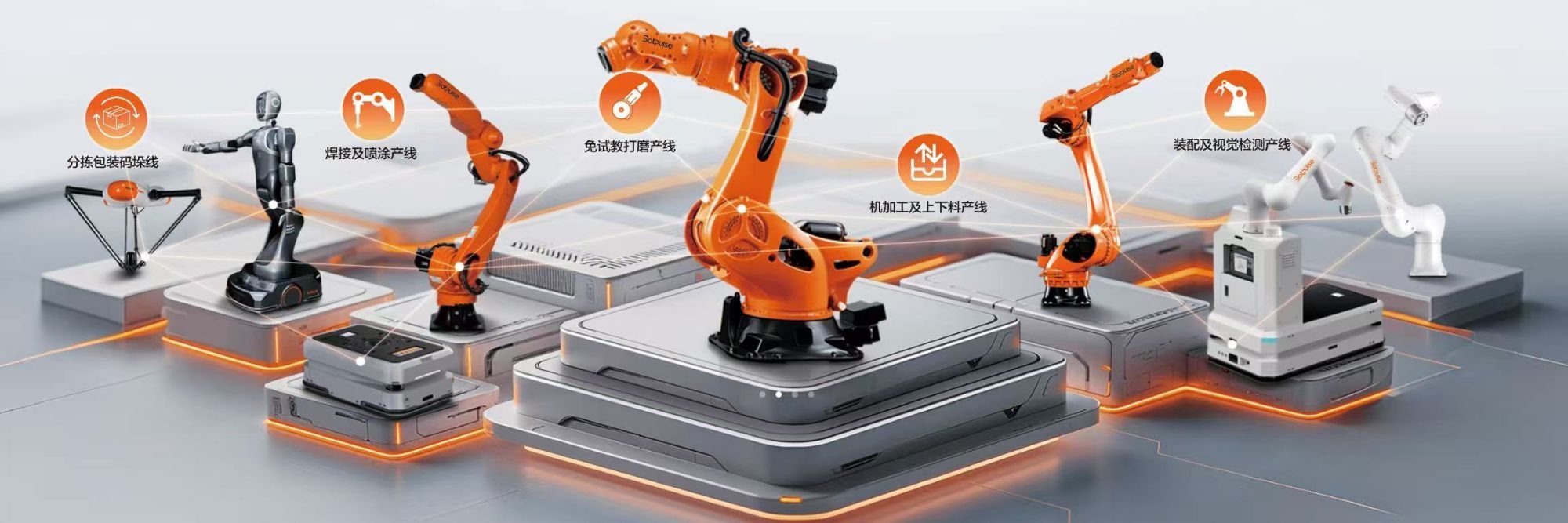
Botpulse product family: sorting and palletizing, welding and painting, grinding, machining and loading, assembly and inspection lines

What We Automate

Robotic Systems for Every Stage of Production

From a single welding station to a complete production line. Choose a process to see how we build it.
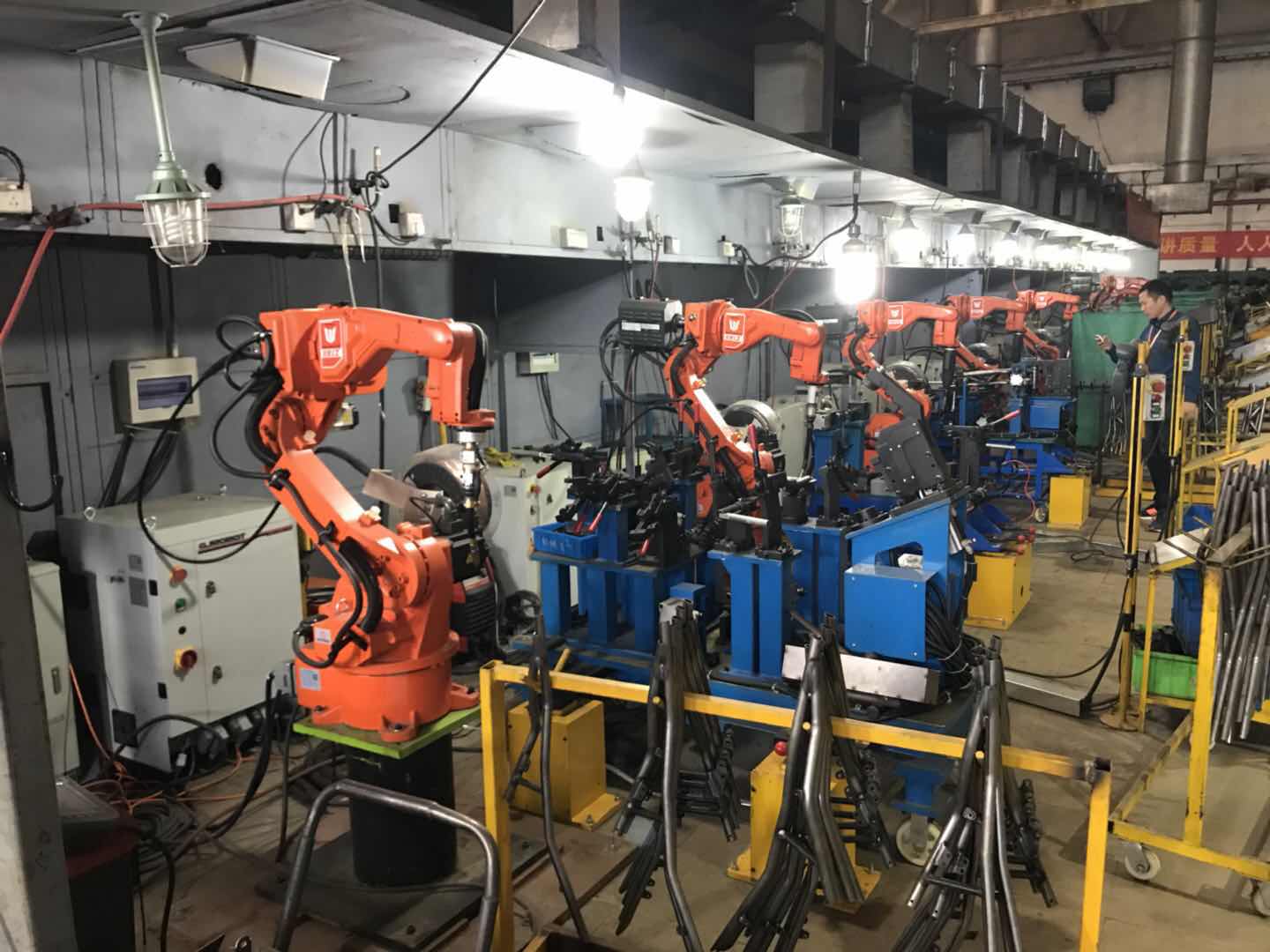
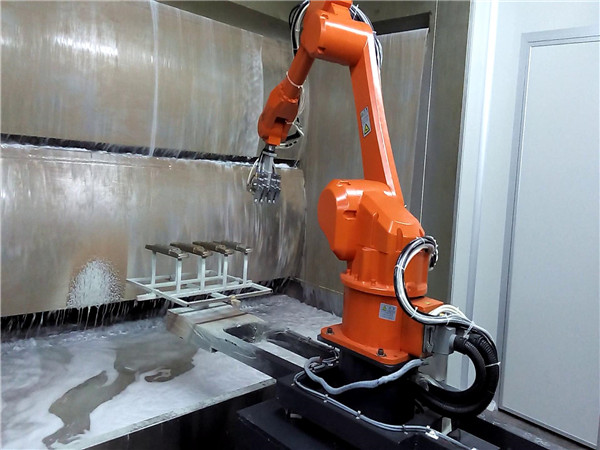
Robotic WeldingRobotic WeldingMIG/MAG, TIG, plasma Palletizing & HandlingPalletizing & HandlingBoxes, bags, layers Press AutomationPress AutomationFeeding and transfer Grinding & PolishingGrinding & PolishingForce-controlled finishing Painting & CoatingPainting & CoatingEven, efficient spraying Assembly CellsAssembly CellsSCARA and 6-axis Laser WeldingLaser WeldingPrecision, low distortion Laser CuttingLaser CuttingSheet, tube and 3D
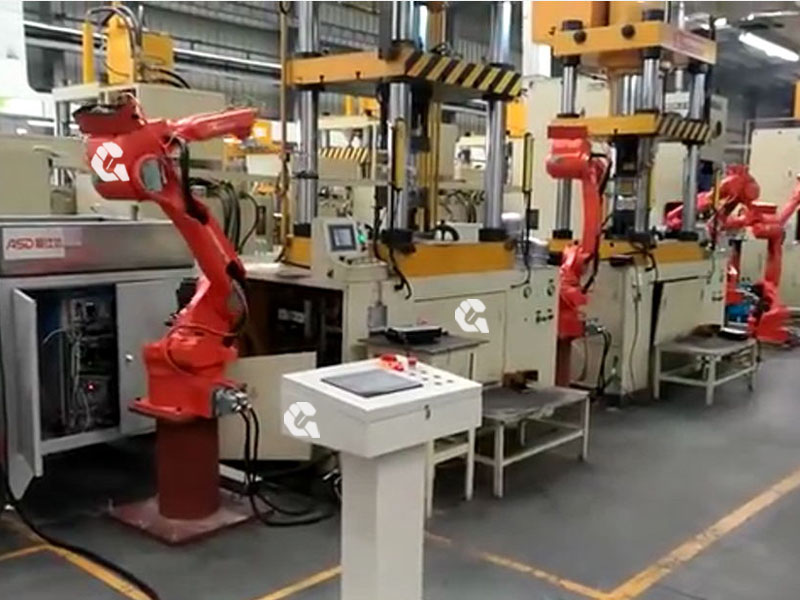
Also: Machine tending · Collaborative robots · Vision-guided robots · Warehousing & AGV · Retrofit & leasing · All solutions →

Capabilities in Detail

How Each Process Works, and What to Expect

Welding, spraying, grinding, palletizing, AGVs and more: what the robot does, typical figures, and the standards that apply.

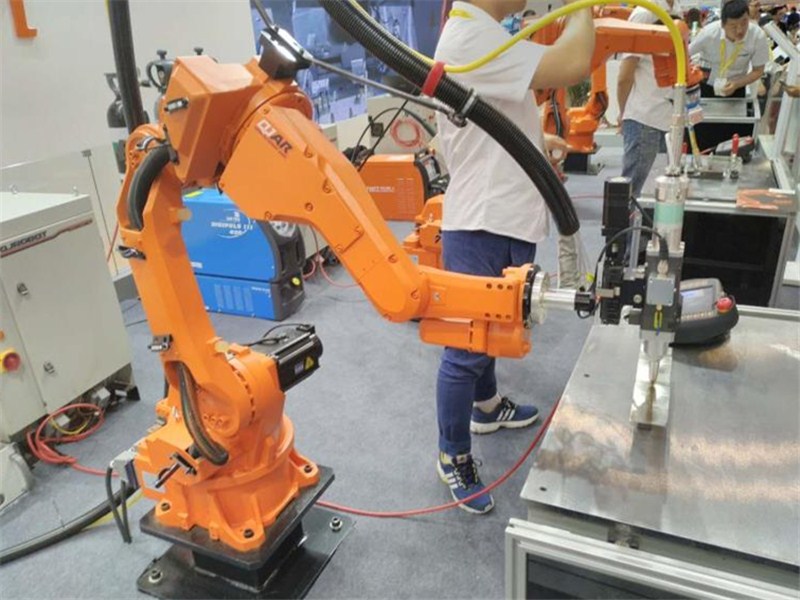
Robotic Welding

A robot holds the torch on a programmed path while a positioner turns the part, so every seam gets the same speed, angle and wire feed.

How it works

  • Parts are clamped in a fixture or on a positioner; the robot follows taught or offline-programmed seams
  • Touch sensing or laser seam tracking corrects for part variation before and during welding
  • The power source talks to the robot controller, so current, voltage and speed are logged for every part

Laser welding →Spot welding →

Typical figures

15-25% → 60-80%Typical arc-on time, manual vs robotic welding
2-4×Typical output gain reported for robotic cells
MIG/MAG · TIG · laser · spotProcesses we integrate

Where it fits

Frames and bracketsForklift and construction machinerySteel structuresAuto parts and exhaustsPressure vessels and pipes
Standards & safetyISO 10218-1/-2 (robot safety), ISO 3834 (quality requirements for fusion welding), ISO 15614 / AWS D1.1 (procedure qualification, per customer spec).

Spray Painting & Coating

Painting robots keep gun or bell-cup distance, speed and overlap constant, which gives even film thickness with less paint wasted.

How it works

  • Rotary bell atomizers or spray guns are moved along programmed paths with flow triggered point by point
  • Colour changers and cleaning cycles run automatically between parts
  • The robot works inside a ventilated booth on a conveyor or in a fixed cell, protected for solvent vapour

Gluing and sealing →

Typical figures

85-95%Typical transfer efficiency of electrostatic rotary bell atomizers
10,000-60,000 rpmTypical bell cup speed
ATEX / IECExExplosion protection for solvent booths

Where it fits

Machinery and metal structuresVehicle and truck partsAppliance housingsPlastic and composite partsFurniture and steel doors
Standards & safetyATEX Directive 2014/34/EU and IEC 60079 for potentially explosive atmospheres, NFPA 33 for spray application with flammable materials, ISO 10218 for the robot.

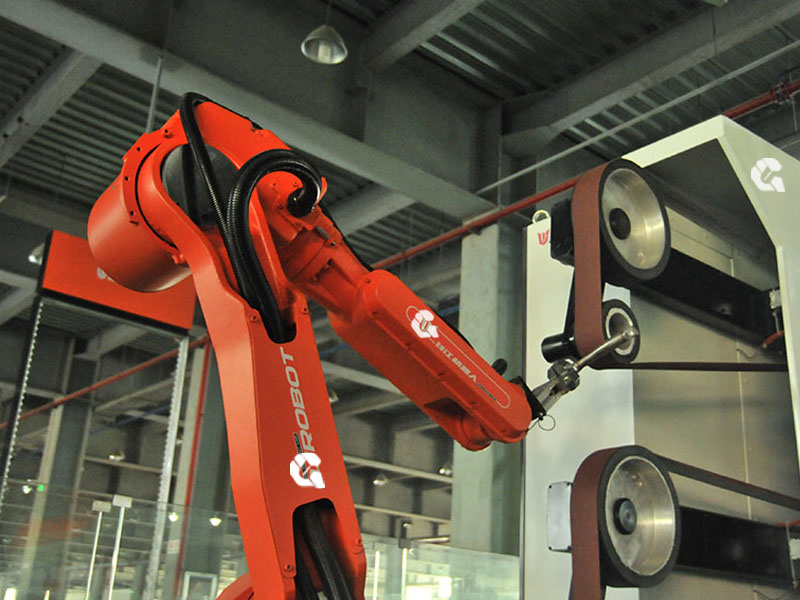
Grinding, Polishing & Deburring

Force-controlled tools keep contact pressure constant, so surface finish stays uniform even when castings and welds vary.

How it works

  • The robot presents the part to a belt or wheel, or moves a spindle over the part along a taught path
  • A force sensor or compliant flange keeps the contact force constant instead of the position
  • Dust and sparks are captured by an enclosure with extraction, away from the operator

Typical figures

0.744 → 0.335 µmRoughness in one published study, without vs with force control
Constant forceSame pressure on every pass
Dust, noise, vibrationRemoved from the operator

Where it fits

Castings and forgingsValves and faucetsWheels and cookwareWeld seam finishingAutomotive and hardware parts
Standards & safetyISO 10218 for the robot cell; combustible-dust control (wet or explosion-protected collectors) for metals such as aluminium and titanium.

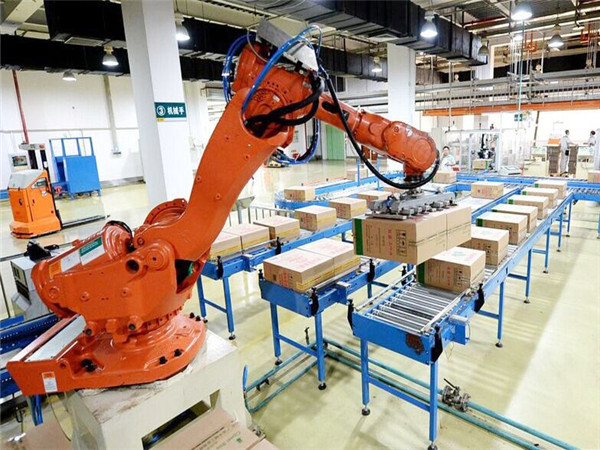
Palletizing & Depalletizing

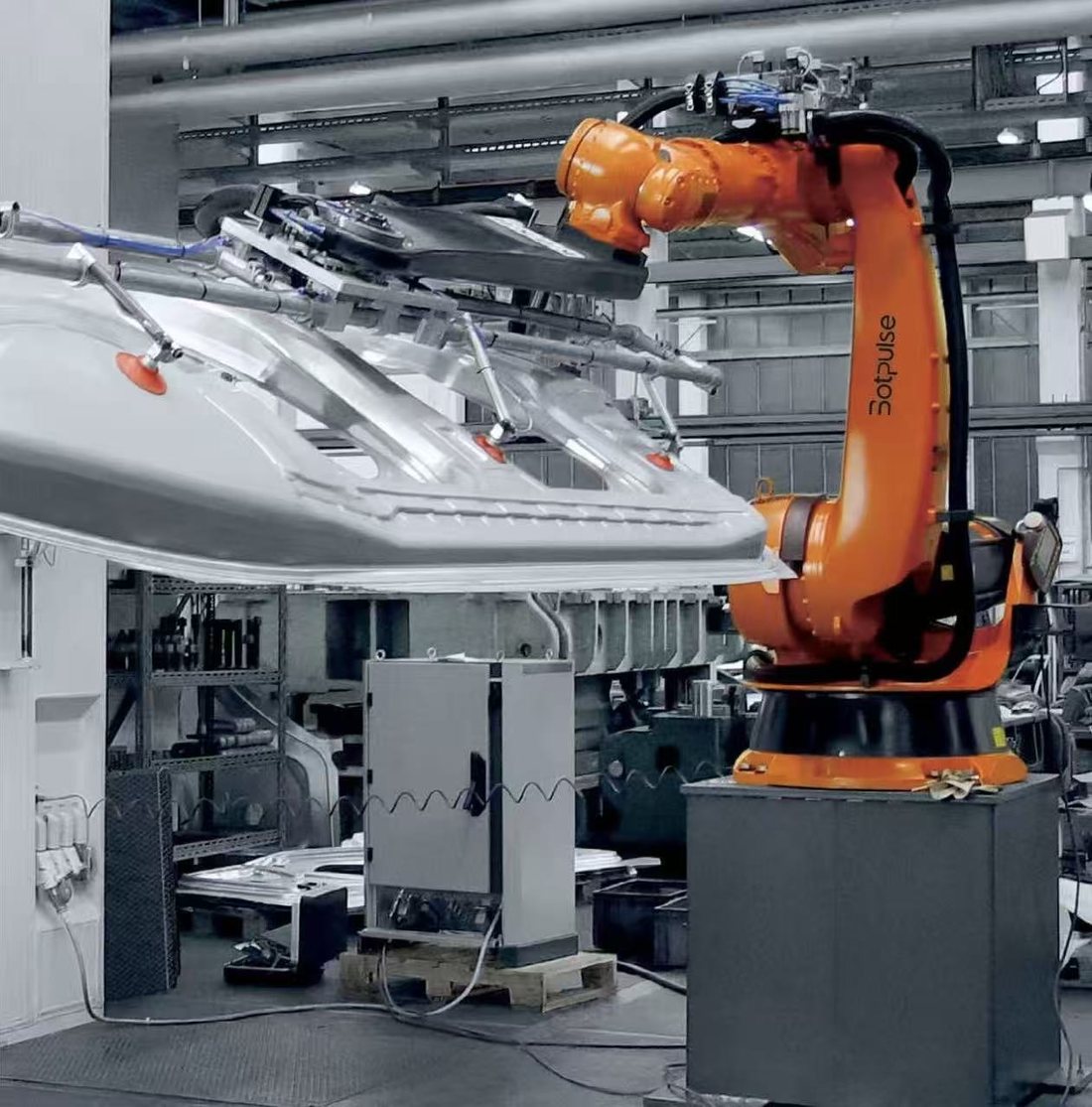
Robots stack boxes, bags and layers in programmed patterns at the end of the line, and can unstack full pallets to feed a line.

How it works

  • Products arrive on a conveyor and are positioned at the pick point
  • A vacuum, clamp, fork or bag gripper picks single items or a full layer
  • Pattern software builds the stack; full pallets leave by forklift, conveyor or AGV

Typical figures

5-15 / minTypical cobot palletizer, roughly 20-25 kg per pick
10-14 / minTypical 4-axis palletizer in the 100-300 kg class
Layer pickingFewer cycles needed for the same output

Where it fits

Food and beverageChemicals and building materialsPackaging and logisticsBags, cartons, crates and cansMixed-case order pallets
Standards & safetyISO 10218-2 (robot systems), EN 415-4 (palletizers and depalletizers), ISO 13855 (positioning of safeguards), area scanners or light curtains at pallet stations.

AGV, AMR & Intelligent Warehousing

Driverless vehicles carry material between machines, lines and storage, and connect to warehouse software so stock is always known.

How it works

  • AGVs follow fixed paths (magnetic tape, QR codes, wires or reflectors); AMRs build a map with LiDAR and SLAM and re-route around obstacles
  • Vehicles tow carts, carry pallets, lift racks or carry a robot arm on top
  • A warehouse control system links orders, storage locations and vehicle missions

Vision-guided picking →

Typical figures

AGVFixed routes, very predictable
AMRLiDAR + SLAM, re-routes around obstacles
ISO 3691-4 (2023)Safety standard covering AGVs and AMRs

Where it fits

Line-side material supplyMachining to assembly shuttlesFinished-goods storageBattery and electronics plantsDepalletizing and sorting
Standards & safetyISO 3691-4 (driverless industrial trucks and their systems, 2023 edition) and ANSI/RIA R15.08 for industrial mobile robots; robot cells on top follow ISO 10218.

CNC & Machine Tending

A robot loads raw parts and unloads finished ones, so machines keep cutting during breaks, shift changes and nights.

How it works

  • A double gripper swaps a finished part for a raw one in a single visit to the machine
  • Parts come from drawers, trays, conveyors or a vision-guided bin
  • Door, vise and program start signals are linked to the machine, with optional washing and measuring

Press automation →

Typical figures

+40-60 h / weekTypical extra spindle time from unattended running
±0.025 mmPlacement repeatability achievable
2 machinesOne robot can tend two when cycle time allows

Where it fits

CNC lathesMachining centresPressesInjection mouldingGrinders and washers
Standards & safetyISO 10218 and the machine's own safety standard; guarding or safety scanners around the cell, interlocked doors on the machine.

Assembly, Screw-Driving & Dispensing

SCARA and six-axis robots place parts, drive screws to a set torque, press-fit components and apply adhesive with the same result every cycle.

How it works

  • Vibratory bowls, trays or vision-guided feeders present the parts
  • Torque-monitored screw-driving and press-fit stations record each fastening
  • Metering pumps place adhesive or sealant beads, checked by a camera

Gluing and dispensing →Cobot cells →

Typical figures

SCARAFastest for flat, top-down assembly
Torque-monitoredEvery screw recorded
Vision-checkedBead and part inspection

Where it fits

Electronics and 3CBattery modulesAutomotive componentsAppliancesMedical devices
Standards & safetyISO 10218 for industrial robots; ISO/TS 15066 when a collaborative robot works beside people.

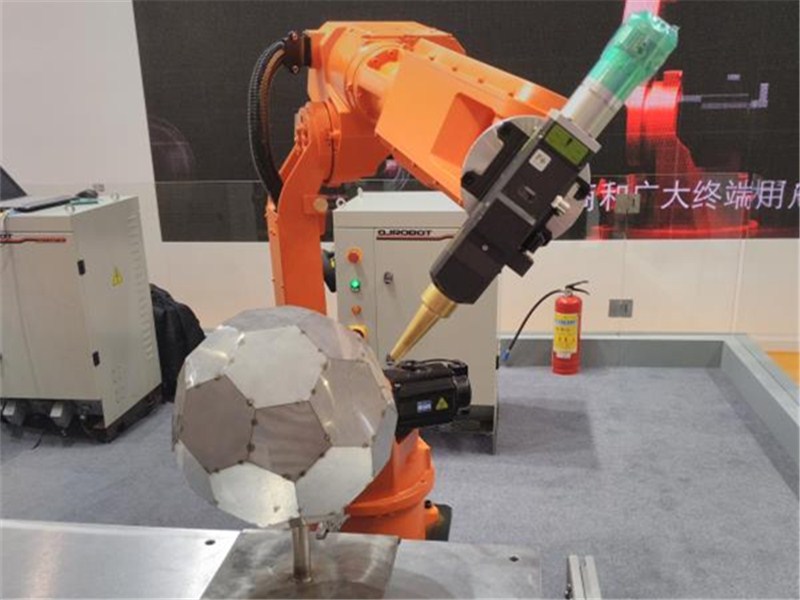
Laser Systems & Press Automation

Fibre-laser welding and cutting deliver narrow, low-distortion results; robots also feed, transfer and stack parts around stamping presses.

How it works

  • A laser source delivers power through a fibre to a fixed head, a robot-held head or a scanner
  • The cell is a laser-safe enclosure with interlocks, so it is safe to load and unload
  • For presses, robots de-stack blanks, feed the press in step with the stroke and stack finished parts

Laser cutting →Press automation →

Typical figures

Class 1Laser enclosure, safe for operators
Low distortionNarrow, fast welds on thin material
Stroke-syncedRobots timed to the press

Where it fits

Thin stainless and battery partsSheet and tube cuttingAutomotive panelsAppliance partsTandem press lines
Standards & safetyIEC 60825-1 and ISO 11553-1 for laser safety, ISO 16092-1 for press safety, ISO 10218 for the robots.
Sources and notes

Figures are typical ranges reported in public industry sources. They are not Zhiyan project results; your results depend on your parts, volumes and layout.

Multi-Brand Integration

One integrator. Every robot brand.

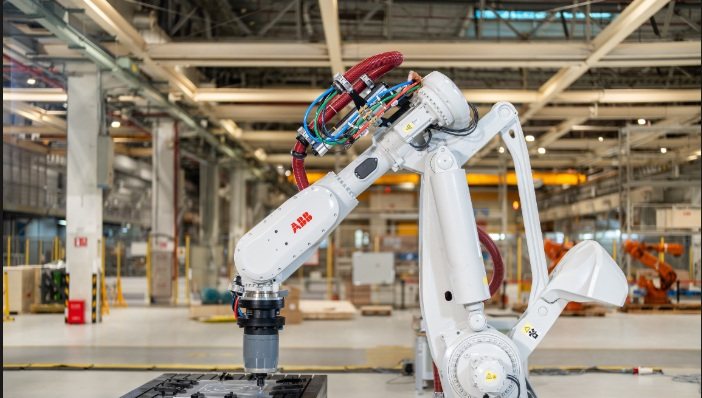
Because we are not tied to a single manufacturer, we choose the robot that fits your process, budget and service network, then connect it to your PLCs, CNC machines, vision and safety systems.

  • ABB, FANUC, KUKA, Yaskawa and Siasun, plus Kawasaki, Mitsubishi Electric, Nachi, Epson, Denso, Stäubli, Comau, Universal Robots and many more
  • Our own Botpulse range for ready-to-run production lines
  • Retrofit, relocation and support for robots already on your floor

Industries

Automation Matched to Your Sector

01Automotive & Auto PartsRobotic cells for chassis, exhaust, seat frames, brackets and body parts. 02Forklifts & Construction MachineryHeavy structural welding with large positioners, seam tracking and multi-pass capability. 03Steel Structure & Heavy FabricationAutomate long seams and thick sections with gantries, positioners and robots. 04Metal Fabrication & Job ShopsAutomation for high-mix, small-batch production without a dedicated programmer. 05Electronics & 3CSpeed, precision and traceability for small parts and short product life cycles. 06Lithium Battery & New EnergyClean, precise handling and welding for cells, modules and packs. 07Food, Beverage, Packaging & LogisticsFast, hygienic handling for primary and secondary packaging and end-of-line logistics. 08Foundry, Forging & CastingRobots built for heat, dust and heavy loads.

How We Work

From First Call to Running Production

1

Consultation

We study your process, parts and throughput.

2

Engineering

Cell layout, simulation and cycle-time proof.

3

Build

Fixtures, tooling, controls and bench test.

4

Installation

On-site installation and commissioning.

5

Support

Training plus 7×24 technical support.

Project Experience

Typical Projects We Deliver

Metal fabrication / heavy machinery

Robotic Welding Cell for Structural Frames and Brackets

A fabricator welding frames and brackets by hand faced inconsistent weld quality, heavy grinding afterwards and a shortage of skilled welders.

View project →
Forklifts / construction machinery

Welding Line for Forklift Masts and Heavy Frames

Thick-plate, heavy weldments needed multi-pass welding with repeatable penetration and less manual seam grinding.

View project →
Food, beverage and packaging

End-of-Line Palletizing System for Cartons and Bags

Manual stacking at the end of a packaging line was slow, tiring and limited how fast the line could run.

View project →

See all project types → · Application case studies →

Insights

Guides for Robot Buyers

Guide

How to Choose an Industrial Robot Brand: ABB vs FANUC vs KUKA vs Yaskawa

There is no single best robot brand. The right choice depends on your application, your team and your service network.

Read more →
Guide

Robotic Welding Cell Cost and ROI: What Drives the Price

A robotic welding cell is more than a robot. Knowing the cost drivers helps you compare quotations fairly and estimate payback.

Read more →
Guide

Palletizing Robot Selection Guide: Payload, Reach, Speed and Gripper

Follow this checklist to specify the right palletizing robot before requesting quotations.

Read more →

All insights →

Let's Automate Your Production Line

Talk to our team about a tailor-made robotics solution for your facility.

Request a Quote Chat on WhatsApp